

Machinable Technical Ceramics : Properties, Processing and Industrial Applications
Machinable technical ceramics give engineers and manufacturers a practical way to create accurate, heat-resistant and electrically insulating components without relying entirely on difficult post-firing grinding. Unlike many dense ceramics that become extremely hard after firing, machinable ceramic materials can be cut, drilled, turned, milled or tapped at a more workable stage of production.
This makes them useful for prototypes, specialised components, short production runs and parts with complex geometries. Wonderstone supplies pyrophyllite-based materials and components for applications requiring dependable thermal performance, dimensional control and machining flexibility.
What Are Machinable Technical Ceramics?
Technical ceramics are inorganic, non-metallic materials engineered for demanding industrial environments. They are selected where metals, plastics or traditional ceramics may not provide the required combination of heat resistance, electrical insulation, chemical stability and dimensional performance.
The term “machinable technical ceramics” refers to ceramic or ceramic-forming materials that can be shaped using conventional or specialist machining methods. Depending on the grade, machining may take place before firing, after partial firing or in the material’s final condition.
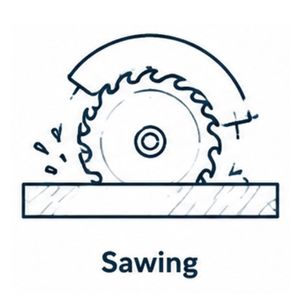
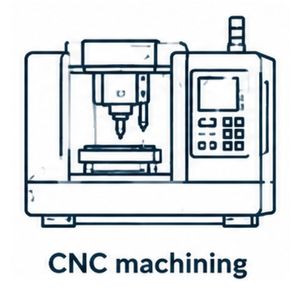
Typical processes include:
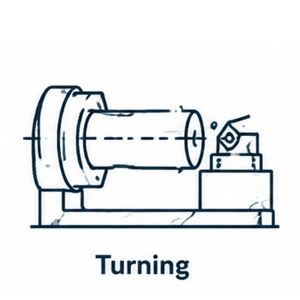
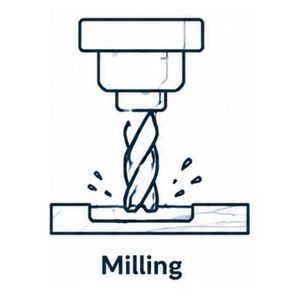
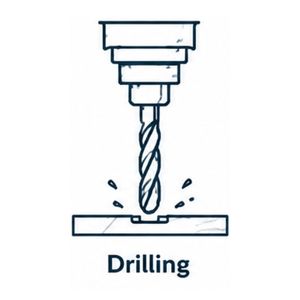
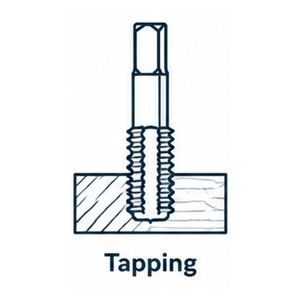
The correct manufacturing route depends on the material, component geometry, tolerances and operating environment.


Why Machinability Matters in Ceramic Manufacturing
Fully fired ceramics can offer excellent hardness and thermal resistance, but these properties can also make them difficult to shape. Post-fired machining may require diamond tooling, controlled grinding and careful handling to reduce chipping or cracking.
A machinable material gives manufacturers greater freedom earlier in production. Holes, threads, grooves, channels and other features can be created while the material is comparatively workable. The part is then heat treated to develop the properties required for service.
This approach can support:
- Faster prototype development
- Easier production of complex shapes
- Less post-firing grinding
- Lower tooling costs for small quantities
- More efficient design changes
- Reduced material waste
Machinability can therefore affect the cost, speed and practicality of the complete manufacturing process.
How Are Machinable Ceramic Components Manufactured?
The process varies between materials and applications, but generally includes material selection, forming, machining, heat treatment and inspection.
Material and Grade Selection
The manufacturer first evaluates the component’s operating conditions. Important factors include maximum temperature, thermal cycling, chemical exposure, electrical requirements, pressure, loading and dimensional tolerances.
A material should not be selected on machinability alone. The finished component must also provide the thermal, electrical, chemical and mechanical properties required by the application.
Preparing the Ceramic Blank
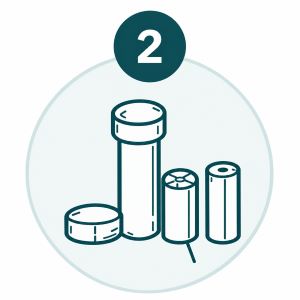
The starting material may be supplied as a block, rod, tube, bar, pressed compact or other near-net shape.
Near-net shapes reduce material removal, while standard forms may be more practical for prototypes or customised low-volume parts.
Machining the Component
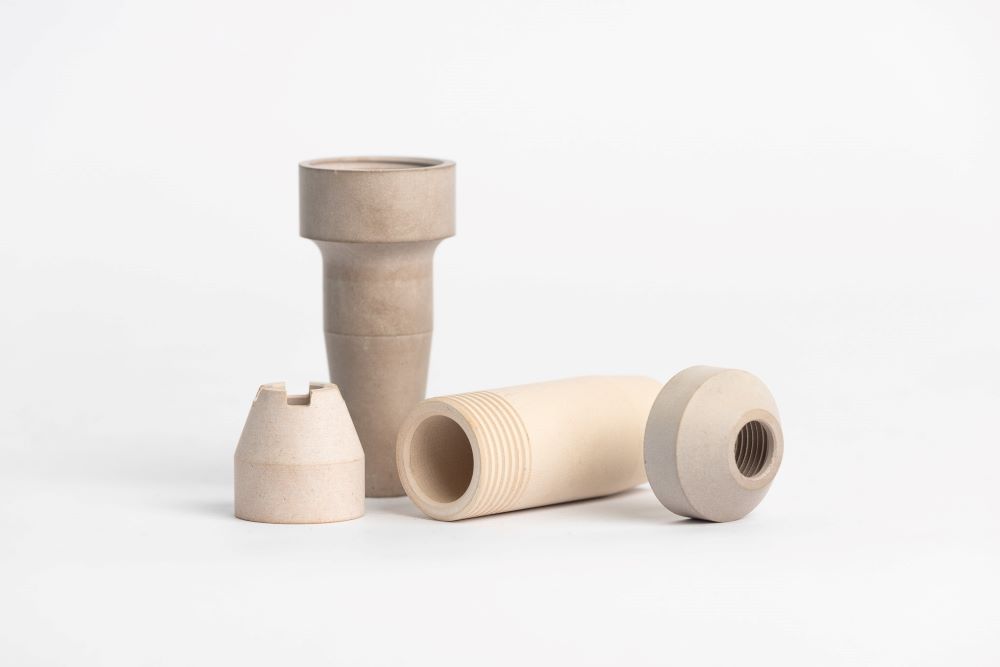
The blank is shaped using the selected method. Features may include holes, threads, slots, tapers, shoulders, bores and external profiles.
Tool selection, cutting speed, support and dust control must match the ceramic grade. Ceramic materials are generally less forgiving than metals, so sharp internal corners, unsupported thin sections and abrupt changes in geometry should be avoided.
Heat Treatment or Firing
Where a component is machined before firing, it is heated according to a controlled schedule. Heat treatment may alter its strength, density, dimensions and thermal behaviour.
Designers must allow for predictable expansion or shrinkage. Correct heating and cooling rates are also important because rapid temperature changes can create thermal stress.

Inspection and Finishing
After heat treatment, the component is checked for dimensions, surface condition and visible defects.
Parts with very tight tolerances may require limited final grinding or lapping.
Important Properties of Machinable Technical Ceramics
Performance depends on the ceramic composition and processing route, but machinable ceramic materials may offer several useful characteristics.

Thermal Stability and Low Thermal Expansion
Many technical ceramics retain their dimensional stability at temperatures that would damage common plastics or cause metals to soften or distort. Low thermal expansion also helps a component maintain its dimensions as temperature changes.

Thermal Shock Resistance
Thermal shock occurs when rapid temperature change creates stress inside a material. Grades with suitable resistance are better able to tolerate repeated heating and cooling cycles.

Electrical Insulation
Certain ceramics provide electrical insulation at elevated temperatures, making them useful for coil supports, bobbins, spacers, standoffs and electrical control components.

Chemical Resistance
Ceramic materials may resist corrosion and attack by certain chemicals more effectively than many metals. Actual performance depends on composition, chemical concentration, temperature and exposure time.

Dimensional Accuracy
Machining detailed features before heat treatment can help manufacturers produce parts close to their final dimensions. Any expansion, shrinkage or densification during firing must still be controlled.
Pyrophyllite as a Machinable Ceramic Material
Pyrophyllite is a naturally occurring aluminium silicate mineral valued for its workability before firing and useful behaviour after controlled heat treatment. Wonderstone’s Grade A Lava can be turned, milled, tapped, sawn and drilled, allowing detailed components to be produced accurately.
After heat treatment, the material develops many ceramic-like characteristics. This combination of pre-firing machinability and post-treatment performance makes it suitable for precision parts, electrical applications and high-temperature industrial environments.
Wonderstone supplies natural machined and powder-pressed formats. The most suitable option depends on component dimensions, consistency requirements, production quantity and operating conditions.
Natural Machined vs Powder-Pressed Components
Natural Machined Pyrophyllite
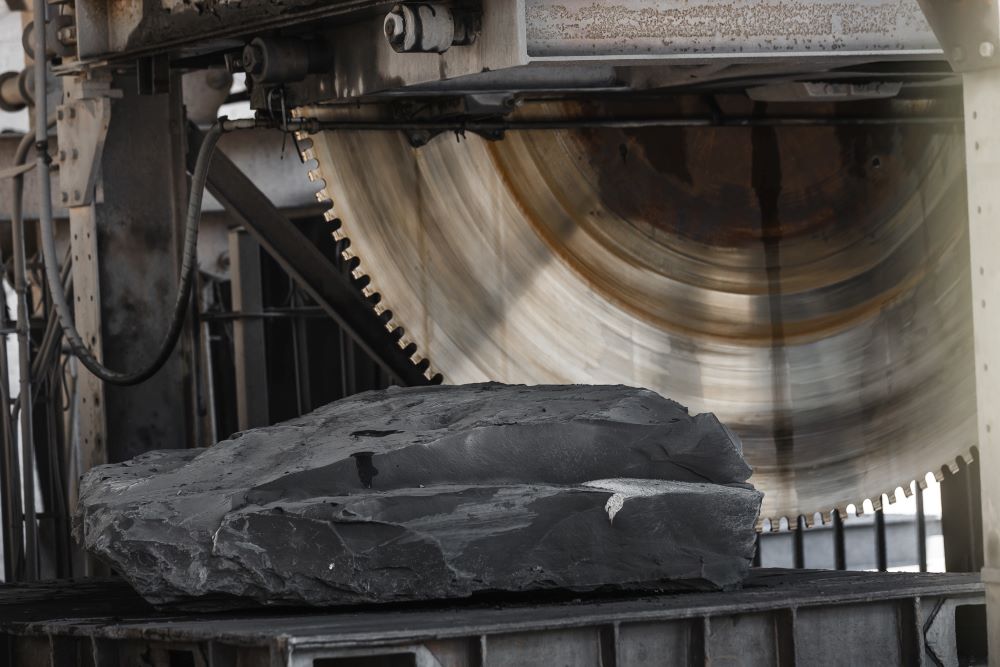
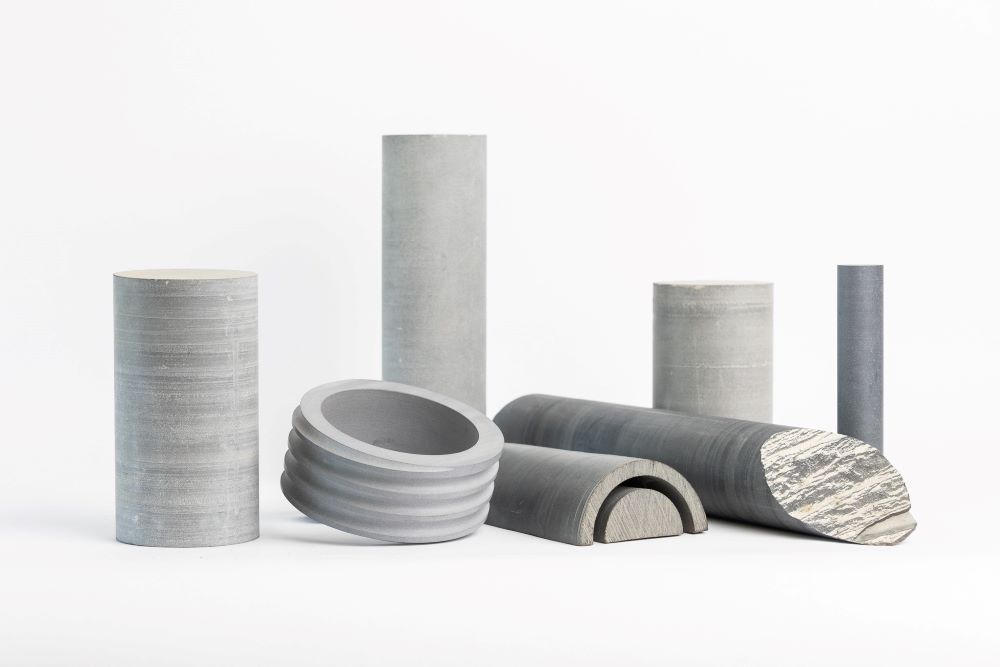
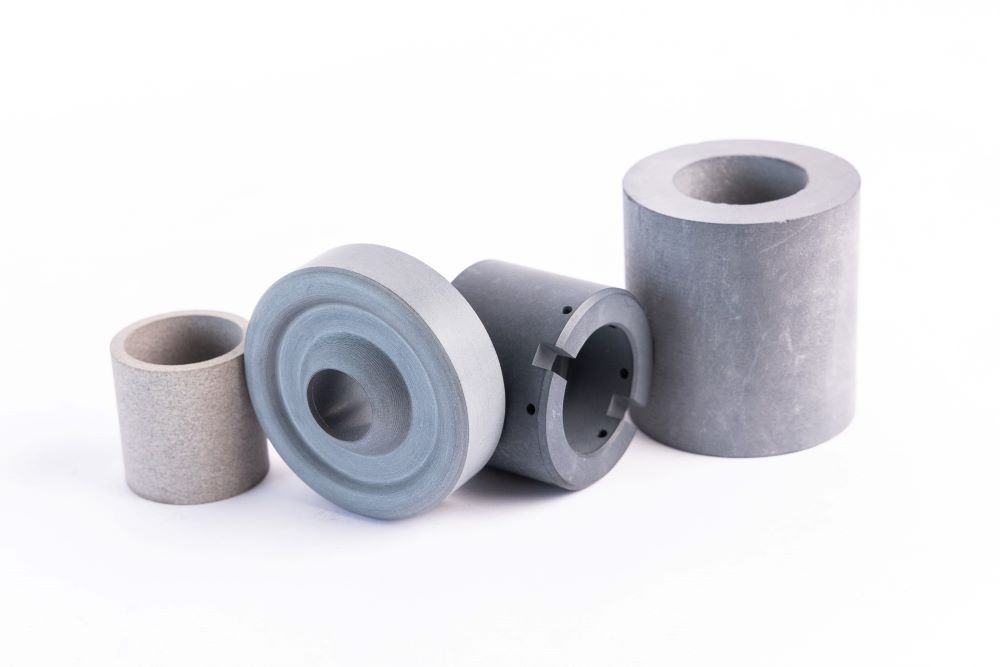
Natural machined components are cut directly from selected pyrophyllite stone. The material can be supplied as rods, tubes, square bars and rings before being machined into the required geometry.
This route can suit prototypes, customised parts and applications where the natural material’s properties match the design requirements.
Powder-Pressed Pyrophyllite
Powder-pressed components are manufactured from processed powders formed under pressure. Particle-size distribution, formulation and binders can be managed to support particular production and performance requirements.
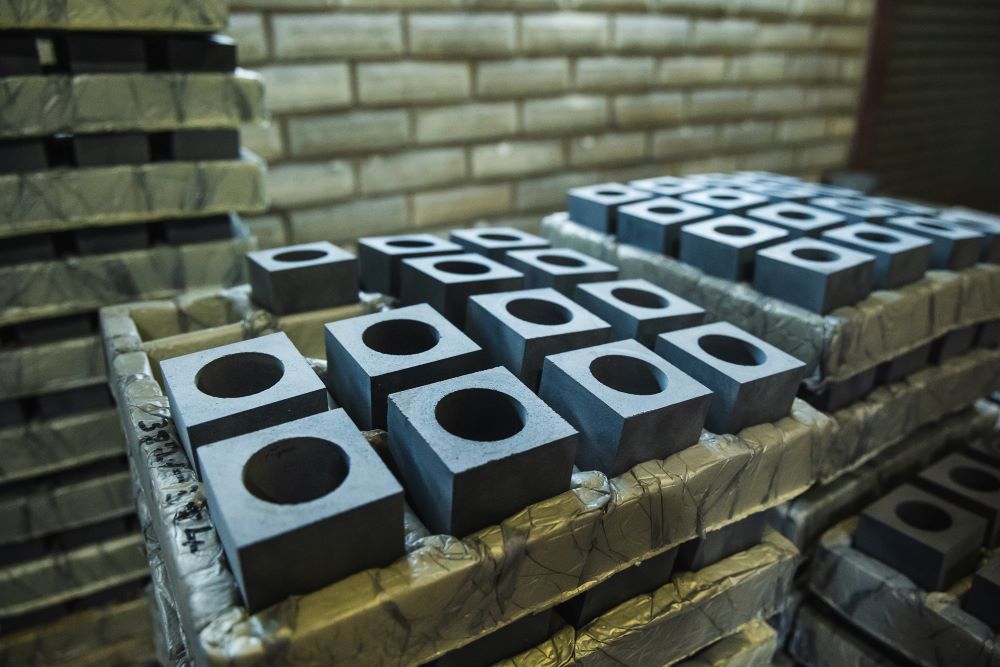
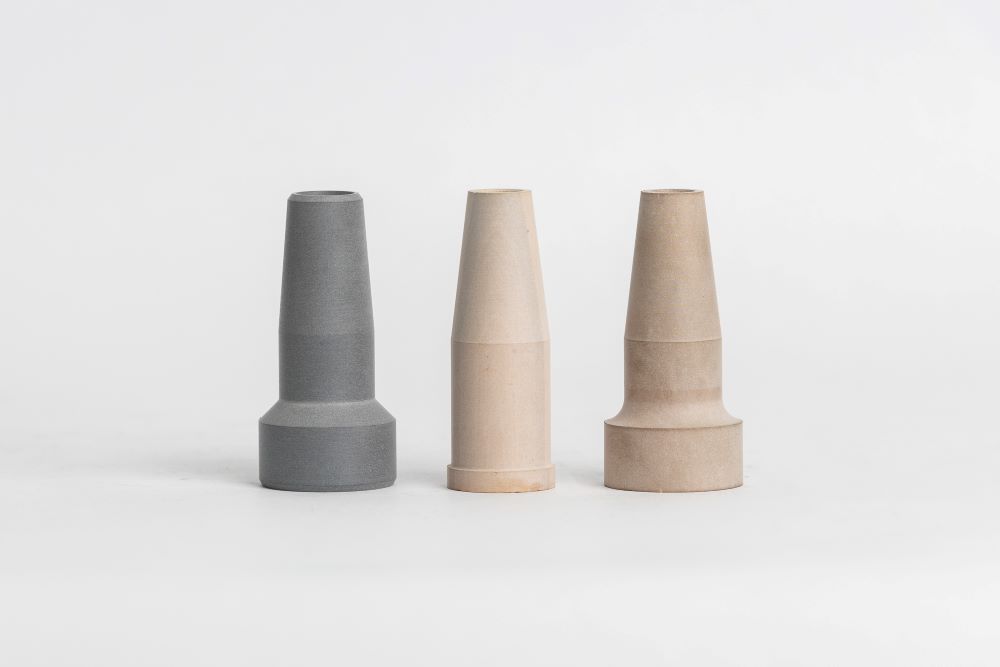
Powder pressing can be useful for repeat production, near-net shapes and components requiring consistent physical characteristics. Wonderstone’s range includes natural and powder-pressed parts, as well as calcined, uncalcined and spray-dried powder options.
Design Guidelines for Machined Ceramic Parts
Ceramic parts should be designed around the material’s behaviour rather than treated as direct replacements for metal components.
How to Select the Right Machinable Ceramic Material
Successful material selection begins with a clear technical specification. Manufacturers should provide:
- Continuous and peak operating temperatures
- Heating and cooling conditions
- Component drawings and dimensions
- Required tolerances
- Electrical insulation requirements
- Chemical exposure
- Mechanical or compressive loads
- Expected production quantities
- Preferred material format
- Inspection requirements
A material specialist can then assess whether natural machined pyrophyllite, powder-pressed material or another technical ceramic is the most appropriate solution.
Why Choose Wonderstone?
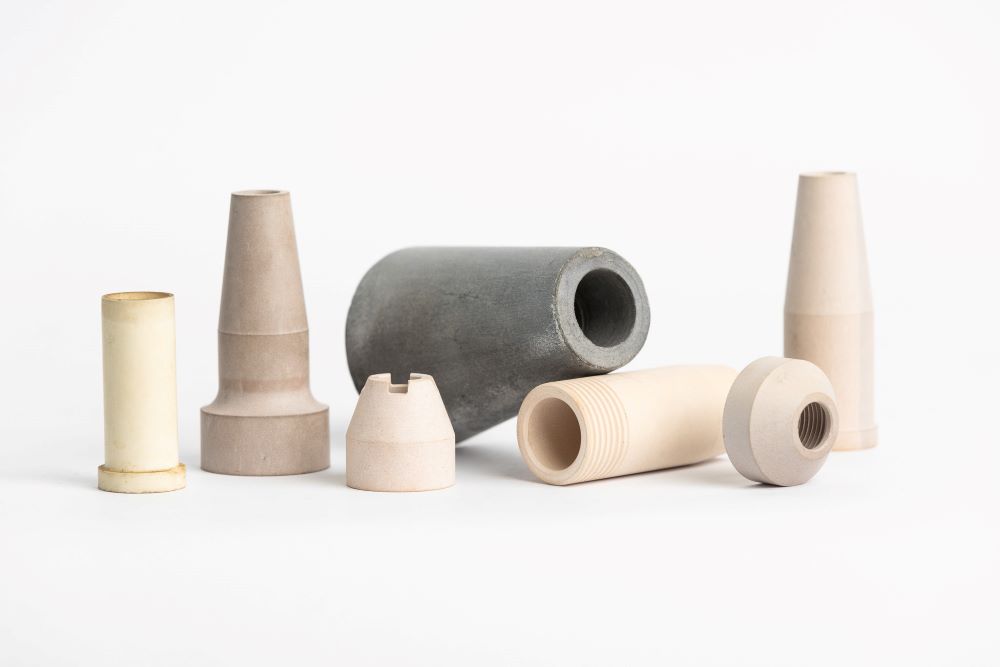
Wonderstone supplies pyrophyllite materials and technical ceramic components for manufacturing, engineering, refractory and HPHT applications. Its offering includes natural machined products, powder-pressed components, processed powders and specialised shapes.
Available products include:
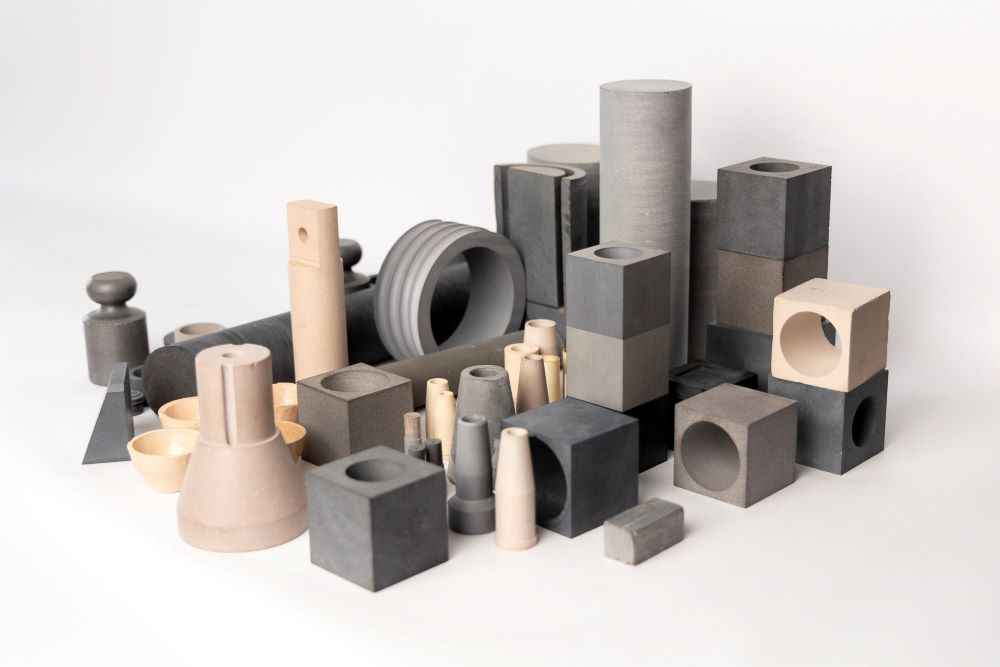
- Rods, Tubes, Square bars, Rings, Ceramic dies, Bushes, Sleeves, Buttons, Cubes
- Custom-machined components
This range supports prototypes, repeat production and specialised industrial systems.
Wonderstone also participates in research and development involving reconstituted pyrophyllite components, insulation, fire-barrier materials and thermal energy applications.
Reliable handling and delivery are also important when industrial materials are supplied across regions and international markets.
Frequently Asked Questions About Machinable Technical Ceramics
What makes a technical ceramic machinable?
A ceramic is considered machinable when it can be shaped with appropriate tools without excessive tool wear, cracking or chipping associated with many fully fired ceramics. Some materials are machined before firing, while others can be machined in their final condition.
Can machinable ceramics be drilled and threaded?
Yes. Suitable grades can be drilled, tapped, turned, milled or sawn. The tools and machining parameters depend on the material and whether shaping takes place before or after heat treatment.
Why machine a ceramic before firing?
Machining before firing allows detailed features to be created while the material is more workable. This can reduce the amount of diamond grinding and specialist finishing required after hardening.
Is pyrophyllite a ceramic?
Pyrophyllite is a naturally occurring hydrous aluminum silicate mineral rather than a fully fired ceramic in its original state. It can be machined before heat treatment and then develops many functional characteristics associated with ceramic materials.
Are machinable ceramics suitable for prototypes?
Yes. They are commonly considered for prototypes and pilot-scale production because parts can be shaped and modified without the initial tooling investment required for many high-volume forming methods.
What information is needed for a custom component?
Provide the drawing, dimensions, tolerances, quantities and operating conditions. Temperature, electrical requirements, chemical exposure, pressure and mechanical loading help determine the appropriate material and manufacturing route.
Discuss Your Machinable Ceramic Requirements
The best solution depends on more than the required shape. Material grade, machining method, heat treatment and operating environment must work together to produce a reliable component.
Wonderstone can assist with pyrophyllite materials, natural machined parts, powder-pressed products and custom component requirements. Share your drawings, quantities and application conditions with the technical team to begin the material-selection process.